
2026 Princess V65 Express
Contact for Price
West Palm Beach, Florida
Purpose-built and proven vessels for America's greatest boating adventure — 200 available now
The Great Loop — a 6,000-mile circumnavigation of eastern North America through the Atlantic Intracoastal Waterway, the Great Lakes, the inland rivers, the Gulf of Mexico, and the Erie Canal — is the ultimate boating bucket list. Every year, hundreds of boats make the journey, and the single most important decision is choosing the right vessel. Not every boat can do the Loop. The route includes fixed bridges as low as 19 feet, locks as narrow as 35 feet, and stretches of shallow water that limit draft to 5 feet. You need a boat that fits the physical constraints, carries enough fuel for the long river stretches, and is comfortable enough to live aboard for 6-12 months. Here's what we recommend.
The single most important specification for a Great Loop boat is air draft — the height from the waterline to the highest fixed point on the vessel. The limiting factor is the fixed bridges on the Erie Canal and the Illinois River, which can be as low as 19.1 feet at normal water levels. That means your boat, with antennas, radar arch, bimini, and everything else, needs to clear 19 feet. Some Loopers push it to 19.5 feet with folding antennas and removable canvas, but anything over 20 feet is going to require creative solutions or alternate routing. This single constraint eliminates most flybridge yachts, sportfish boats, and anything with a tall tuna tower. The boats that work are low-profile trawlers, aft-cabin motor yachts, and certain express cruisers with removable hardtops.
Trawlers dominate the Great Loop fleet, and for good reason. A Kadey-Krogen 42, Nordhavn 40, or Grand Banks 42 Classic has the range (1,000+ NM at displacement speed), the air draft (under 18 feet), the fuel efficiency (2-4 GPH), and the liveaboard comfort to make the journey enjoyable rather than endurable. The American Tug 34 and 39 are purpose-built for this kind of cruising — they're essentially floating condos with excellent visibility and easy single-handing. Mainship and Monk trawlers offer excellent value in the pre-owned market. For those who want more speed, the Bayliner 4788 and Meridian 459 are popular Loop boats — they can plane when conditions allow but cruise comfortably at displacement speeds. Ranger Tugs (R-29 and R-31) are increasingly popular for couples who want a smaller, more nimble boat. And some Loopers do it in sailboats with the mast unstepped — but that's a different level of commitment.
The Great Loop includes stretches where fuel docks are 150-200 miles apart — particularly on the Tennessee-Tombigbee Waterway and parts of the Mississippi River. Your boat needs to carry enough fuel to cover these gaps with a comfortable reserve. For most trawlers cruising at 7-8 knots and burning 3-4 GPH, a 300-gallon tank gives you 500+ miles of range — more than enough. But if you're running a planing hull at higher speeds, fuel consumption jumps to 15-25 GPH, and suddenly those long stretches become a real planning challenge. This is why displacement-speed trawlers are the most practical Loop boats — they sip fuel, cover ground steadily, and never leave you worried about the next fuel stop. Carry a jerry can or two as backup, know where the fuel docks are, and you'll never have a problem.
The Great Loop isn't a weekend trip — most Loopers take 6-12 months to complete the circuit, and some stretch it to two years. That means your boat is your home, and liveability matters as much as seaworthiness. You need a comfortable sleeping arrangement (a real queen berth, not a V-berth you have to crawl into), a functional galley with a full-size refrigerator and proper cooking setup, enough storage for months of provisions and personal items, a reliable climate control system (you'll experience everything from Florida heat to Great Lakes cold), and a washer/dryer if you can fit one. Internet connectivity is essential — most Loopers use a combination of cellular boosters and marina WiFi. A good dinghy with an outboard is important for exploring anchorages and making supply runs. And don't underestimate the social aspect — the Looper community is tight-knit, and you'll make lifelong friends at the raft-ups and dock parties along the way.
We've helped multiple clients find and outfit their Great Loop boats, and the process starts with an honest conversation about your priorities. Are you a couple or a family? Do you want to cruise at 7 knots and enjoy the journey, or do you want the option to plane at 15 knots when the weather window is tight? What's your budget for the boat, and what's your budget for the trip itself? (The Loop typically costs $25,000-50,000 in fuel, marinas, locks, and provisions — on top of the boat.) We'll match you with the right vessel, help you negotiate the purchase, coordinate the survey and sea trial, and connect you with the outfitting resources you need — from electronics installers to canvas shops to the America's Great Loop Cruisers' Association. The Loop is a once-in-a-lifetime adventure, and it starts with the right boat. Call us.
Our brokers specialize in matching buyers with the right vessel. Tell us what you're looking for and we'll narrow the search — no obligation, just expert guidance.
200 listings matching this criteria on the IYBA MLS
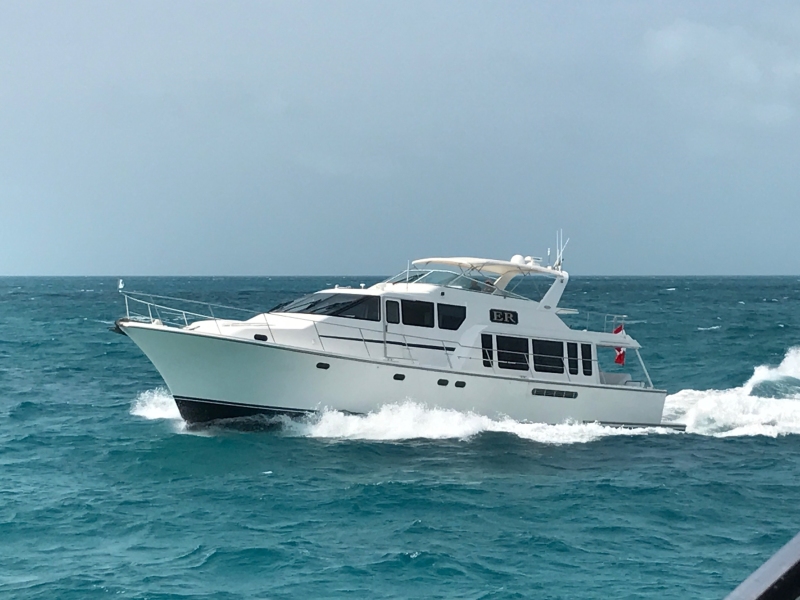


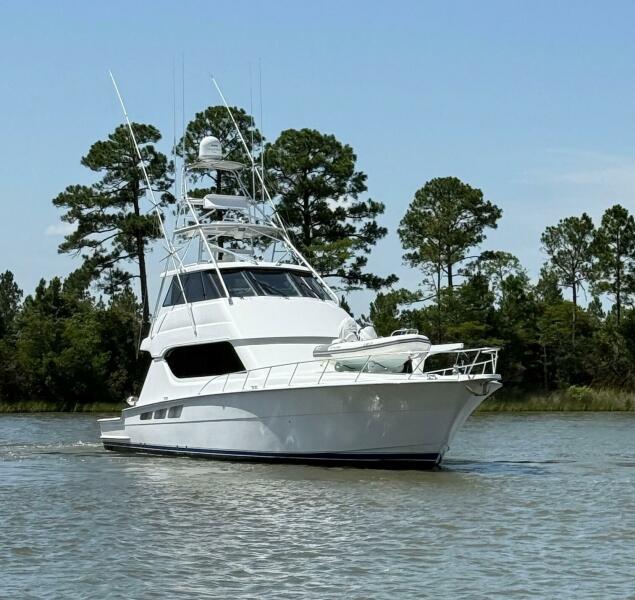


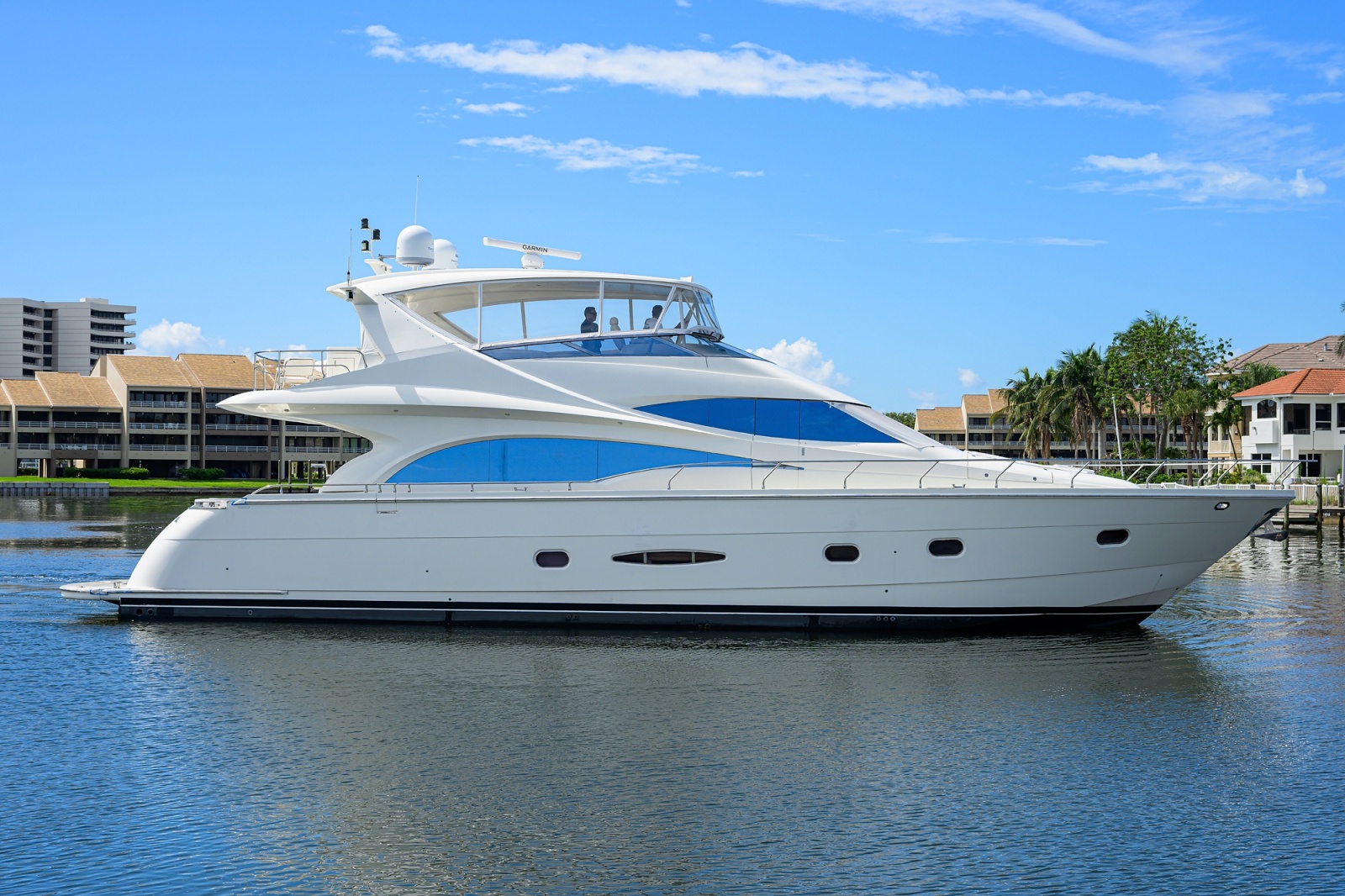
Tell us what you want and we'll find it. With access to the full IYBA MLS and a global network of brokers, we can locate any yacht.

