
Used
Now Available!
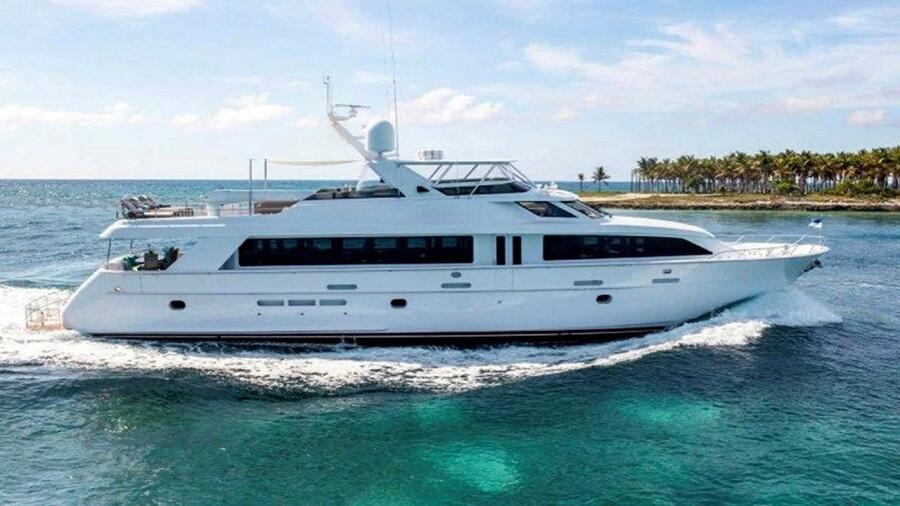
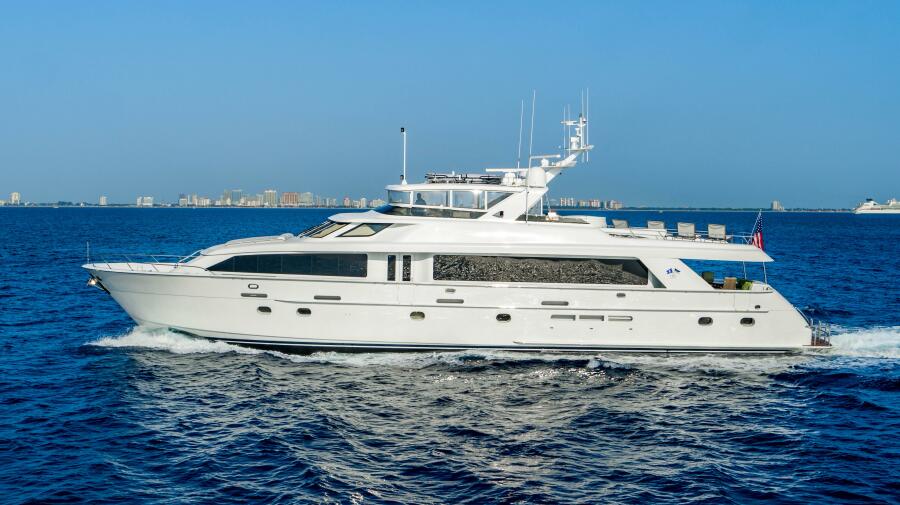
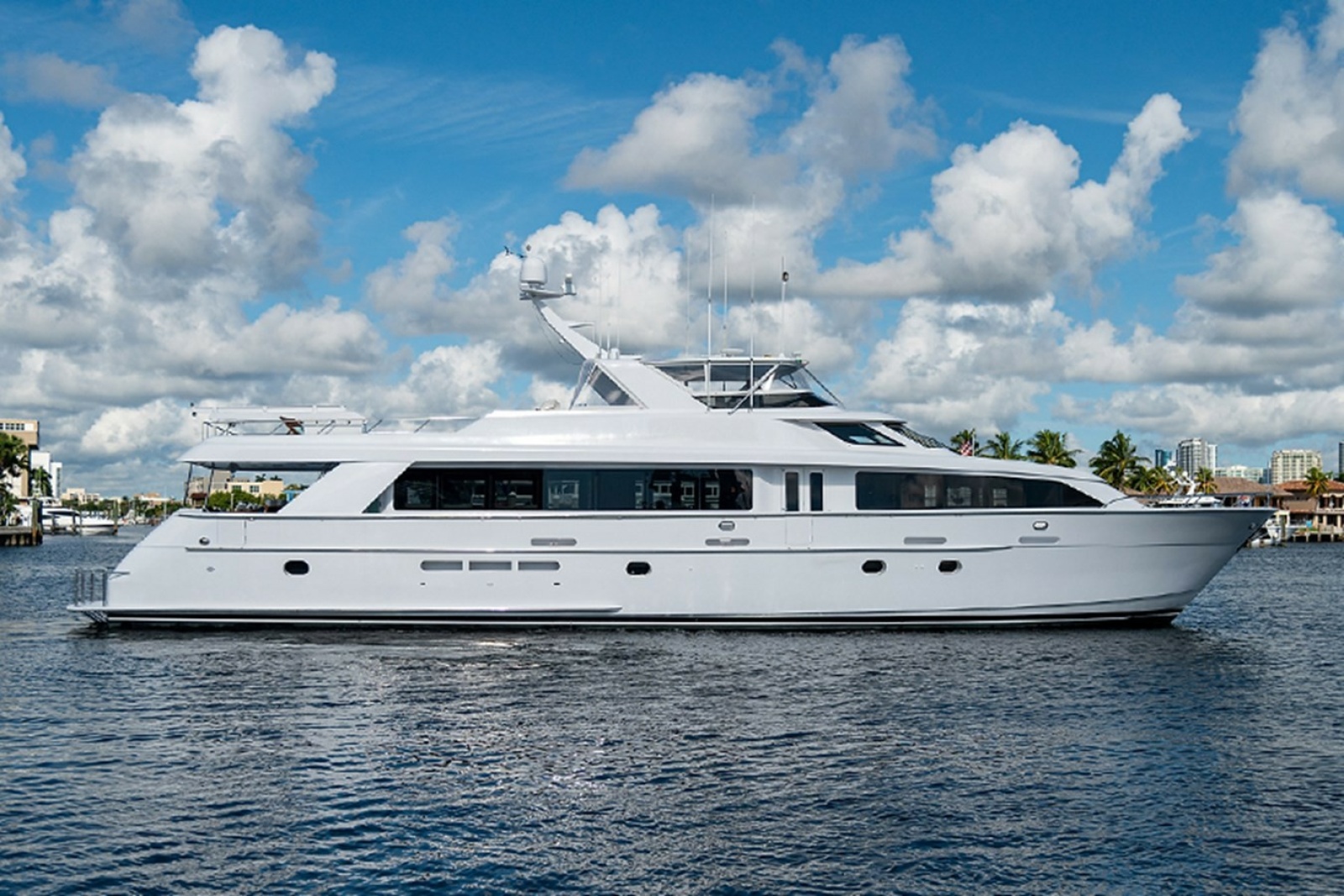
1995 Hatteras Flybridge Motor Yacht
“LONE STAR”
$4,795,000
130'2x Detroit DieselDiesel5 cabins
Ft. Lauderdale, Florida
Listed through IYBA MLS · Jeff Stanley
Carolina-Built Legends Since 1959 — 129 available now
Hatteras is the name that started it all. Founded in 1959 by Willis Slane in High Point, North Carolina, Hatteras built the first fiberglass sportfishing boat and changed the industry forever. If you know the history of offshore fishing in the United States, you know Hatteras — these boats have been running to the Gulf Stream, the canyons, and the blue water for over six decades. The brand carries a legacy that no other builder can match, and on the brokerage market, a well-maintained Hatteras remains one of the most sought-after sportfish yachts available.
Hatteras buyers are buying heritage, build quality, and a proven offshore platform. The company pioneered fiberglass sportfish construction, and that deep institutional knowledge shows in every hull that comes out of their New Bern facility. Hatteras yachts are built heavy and strong — these are not lightweight speed machines, they're bluewater workhorses designed to handle serious conditions. The ride quality in a head sea is where a Hatteras earns its reputation: the Carolina flare, the deep forefoot, and the solid construction create a platform that inspires confidence when you're 60 miles offshore and the weather turns. The interior finish on modern Hatteras models has improved dramatically — the GT series brought contemporary design sensibility to a brand known for traditional styling. The cockpit layouts remain some of the best in the business, designed by people who understand tournament fishing at the highest level. For buyers who value substance over flash, a Hatteras is the right choice.
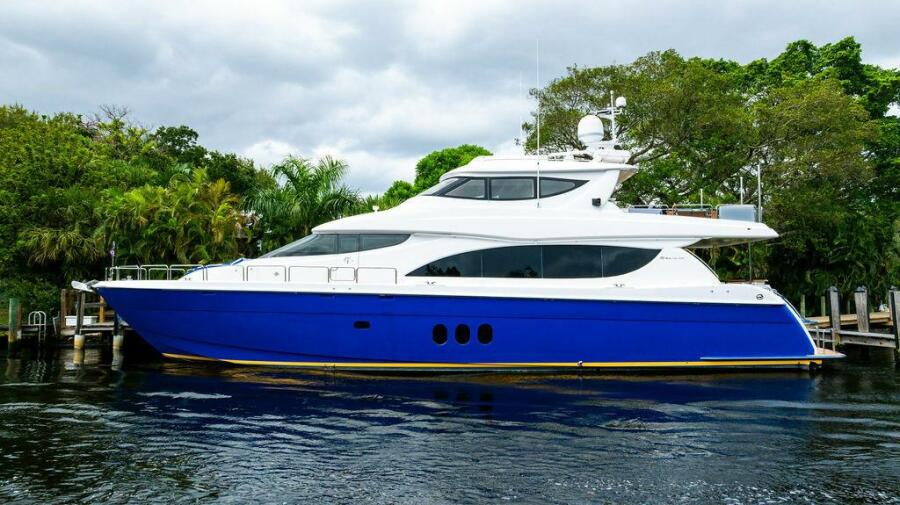
Hatteras has refined its lineup over the years to focus on what they do best. The GT series is the current production backbone: the GT54, GT59, GT63, and GT65 Carolina represent the modern Hatteras — Carolina-style sportfish boats with contemporary interiors and proven hull designs. The GT70 and GT90 push into the large sportfish and motor yacht territory. Hatteras also produces the M-series motor yachts for buyers who want the Hatteras build quality in a cruising platform rather than a fishing machine. On the brokerage market, the older convertible models — the 53, 54, 55, 58, 60, 63, 65, and 70 Convertible — are the most commonly traded. These boats span decades of production, and well-maintained examples from the 1990s and 2000s offer exceptional value. The enclosed bridge models from the 2000s-2010s are particularly popular with buyers who want year-round fishing comfort. Hatteras also built motor yachts in the 58-100 foot range that have a dedicated following among cruising buyers.
Hatteras yachts are built to last, and many examples from the 1980s and 1990s are still fishing actively today. That said, age and maintenance matter. When evaluating a used Hatteras, the engine room is your first stop. Older models typically run Detroit Diesel or Caterpillar engines, while newer GT-series boats use MAN or CAT power. Service records are critical — a Hatteras with documented maintenance history is worth significantly more than one without. Check the hull-to-deck joint and any areas where water intrusion could occur; older Hatteras boats used balsa core in some areas, and moisture intrusion is the most common structural issue on vintage models. The teak decks, covering boards, and cockpit sole are key inspection points — teak replacement on a 60+ foot Hatteras is a six-figure job. The electrical systems on older models may need updating, particularly if the boat has been retrofitted with modern electronics and navigation equipment. On the positive side, Hatteras parts availability is excellent — the company supports boats going back decades, and the aftermarket for Hatteras components is robust.
The Hatteras brokerage market has two distinct segments. The modern GT-series boats (2015 and newer) trade at premium prices and move relatively quickly — a well-equipped GT59 or GT63 might trade between $2.5M and $4M depending on year and options. These boats compete directly with Viking and Jarrett Bay in the serious sportfish segment. The vintage and mid-era Hatteras market (1985-2010) offers incredible value for buyers willing to invest in maintenance and updates. A well-maintained 1990s Hatteras 58 Convertible might trade between $300K and $600K — that's a lot of boat for the money, and the hull will outlast most newer production boats. The motor yacht models have a smaller but dedicated buyer pool, particularly the 58-75 foot range. For sellers, a Hatteras with documented maintenance, recent engine work, and updated electronics will command a premium over comparable boats without that history.
Hatteras transactions have a unique character. The buyers tend to be knowledgeable — many are upgrading from a smaller Hatteras or moving from another sportfish brand. They understand the product, they know what maintenance costs look like, and they have realistic expectations about what a 20-year-old sportfish should look like versus a 5-year-old one. That makes the transaction process straightforward when both parties are aligned on condition and value. For first-time sportfish buyers, a well-maintained Hatteras 54 or 58 Convertible from the early 2000s is one of the best values in the market — you get a proven offshore platform with a comfortable interior at a fraction of what a new sportfish costs. For tournament-level buyers, the GT63 and GT65 Carolina are exceptional boats that compete with anything in the segment. The enclosed bridge models are worth a close look if you fish year-round — the climate-controlled helm makes a real difference during winter tournaments. Whether you're looking for a classic Hatteras or a modern GT, we can help you navigate the market and find the right boat. Call us at 954-527-4848.
Our brokers have direct experience with Hatteras yachts and can help you find the right one — or sell yours at the right price. Call us directly or browse the current inventory below.
129 Hatteras listings on the IYBA MLS




Whether you're buying your first yacht or upgrading to a larger Hatteras, our brokers can guide you through every step — from search to sea trial to closing.

